



The medications listed on this website are provided for informational purposes only.
Their inclusion does not guarantee they will be prescribed to any individual, as treatment decisions are ultimately at the discretion of healthcare providers.
Stimulant prescriptions (such as Adderall or Vyvanse) are only available through ADHDAdvisor in the following states:
JORNAY PM has a high potential for abuse and misuse, which can lead to the development of a substance use disorder, including addiction.Misuse and abuse of CNS stimulants, including JORNAY PM, can result in overdose and death:
- Before prescribing JORNAY PM, assess each patient’s risk for abuse,misuse, and addiction.
- Educate patients and their families about these risks, proper storage of the drug, and proper disposal of any unused drug.
- Throughout treatment, reassess each patient’s risk and frequently monitor for signs and symptoms of abuse, misuse, and addiction.

Feel like a zombie in the mornings? If you’re already taking stimulants, do you just wait it out till it kicks in? For many people, it takes forever to get some motivation going. It leads to afternoons spent scrambling, trying to catch up on everything you wish you’d done earlier.
Jornay PM was made with that morning slowness in mind. It’s an ADHD med you take at night but activates as you wake up — not hours later.
Read on to learn how it works, who can take it, how it compares, and what benefits and side effects you might expect. Plus, find out if you could qualify for an online stimulant prescription with ADHD Advisor.
What is Jornay PM (Methylphenidate HCl)?
If you wish your ADHD meds could kick in before your morning coffee, Jornay PM might be for you.
It’s the brand-name, extended-release version of methylphenidate—a common active ingredient found in stimulants like Concerta or Ritalin. The difference with Jornay PM is that it’s designed to be taken at night, but starts working right around the time your alarm goes off in the morning. It’s made for people who seriously struggle with morning ADHD symptoms, like getting out of bed or starting work or school on time.
It’s FDA-approved for children 6 and up, as well as adults. Like all stimulant medications, it’s classified as a Schedule II controlled substance because of its high risk of addiction, abuse, and dependence.
At ADHD Advisor, we only work with adults 18 and up. Our clinicians can help determine whether Jornay PM is a good fit for you, based on your health history, lifestyle, and symptom patterns—the decision is up to their clinical discretion.
How Jornay PM Works
Imagine being able to wake up already focused, without waiting a few hours for the ADHD meds to kick in—that’s what Jornay PM was designed for. Research shows it can have clinically meaningful improvements in morning behavior. It’s also the only ADHD medication that’s taken at night with a two-layer delivery system.
It has a delayed-release coating that keeps the medication inactive for hours after you swallow it. After the coating dissolves, there’s an extended-release layer that slowly releases methylphenidate throughout the day.
The methylphenidate then works to increase dopamine and norepinephrine—two neurotransmitters that help control focus, motivation, and emotional regulation. Improving their activity can help calm common ADHD symptoms, like constantly feeling pulled in a million different directions at once (i.e., distractibility).
Overall, better dopamine function helps you associate tasks with their reward better. That can lead to feeling like working on your project is more important, making you procrastinate and depend on deadline adrenaline rushes less. Meanwhile, norepinephrine lets you filter distractions and stay alert so you can focus.
Who Can Take Jornay PM
Jornay PM is FDA-approved to treat ADHD in children 6 and up, including teens and adults. That doesn’t mean, though, that it will be a good fit for you. It can take time, along with thorough health evaluations and follow-ups with your clinician, to find an effective ADHD med that isn’t full of side effects.
In general, stimulants aren’t recommended for people with certain medical conditions, such as:
- Glaucoma
- Cardiovascular issues
- Severe anxiety or agitation
- Tics or Tourette’s syndrome
- Severe anxiety, agitation, or panic disorders
- Recent or current use of MAOIs (a type of antidepressant)
- Personal or family history of addiction or substance abuse
- Psychiatric issues (bipolar disorder, psychosis, severe depression, etc.)
Ultimately, the best way to know if Jornay PM is right for you is by taking the prescribed amount and giving honest feedback to your prescriber. Pay attention to the side effects, even if they feel small, because stimulants can cause mild to severe mood swings, anxiety, and trigger mania (especially during the early adjustment period).
Plus, there’s the high risk of dependence, making it important to consider non-stimulants or therapy and ADHD coaching alone. Systematic reviews show that Cognitive Behavioral Therapy (CBT) alone is effective in improving both ADHD and emotional symptoms. Depression and anxiety decreased, while self-esteem and quality of life improved. Plus, these results were seen in both individual and group therapy, which can be significantly more cost-effective.
Dosages and Administration
Take Jornay PM once daily in the evening. The exact timing depends on when you need it to kick in the next morning, meaning you might have to experiment at first (most people take it between 7 to 9 pm).
It comes in different strengths, ranging from 20 mg to 100 mg. You’ll likely be prescribed a low dose to start and adjust weekly until the effects feel right and side effects are manageable.
You can take it with or without food, but always swallow it whole (don’t crush, chew, or open the capsule since that would mess with the release timing and could cause side effects).
If you ever forget a dose, take it as soon as you remember that night. Just be sure not to take it in the morning or double up to make up for a missed dose; it could lead to serious side effects or overdosing.
Side Effects and Risks
Stimulants like methylphenidate come with a long list of potential side effects, especially for people with other health conditions. Make sure you tell your clinician about any and all issues you and your family have.
Common Side Effects
Here are some of the most common side effects that should go away as you adjust. If they continue or get worse, call your doctor:
- Dizziness
- Dry mouth
- Reduced libido
- Heavy sweating
- Difficulty sleeping
- Appetite and weight loss
- Irritability, restlessness, nervousness
- Back pain, muscle tightness, uncontrollable fidgeting
- Digestive issues: heartburn, nausea, vomiting, stomach pain, diarrhea
Serious Side Effects
If you experience any of these symptoms, call your doctor right away or get emergency medical treatment:
- Seizures
- Vision changes
- Motor or verbal tics
- Fast, pounding, or irregular heartbeat
- Chest pain, shortness of breath, fainting
- Higher risk of sudden death in people with heart conditions
- Painful erections or ones that last longer than 4 hours
- Psychiatric issues: depression, anxiety, mania, mood swings
- Skin issues: hives, rash, blistering or peeling skin, swelling of the eyes, face, lips
- Difficulty breathing or swallowing, hoarseness, swelling of the tongue, throat, or mouth
Make sure to report any side effects on the FDA MedWatch page.
High Risk of Addiction
One of the biggest concerns is the high risk of dependence, abuse, and misuse. The FDA actually put into place a law stating that all stimulants now need a boxed warning, the most serious safety-related warning, to draw attention to their risks, which also includes death. For this reason, you must inform your clinician about any personal or family history of substance abuse and addiction.
Jornay PM vs. Other ADHD Medications
Jornay PM’s active ingredient, methylphenidate, is also common in other ADHD meds. Except that timing and release are different. Here’s a breakdown of how it compares to other medications on the market:
- Jornay vs. Concerta or Ritalin: They all use the same active ingredient — methylphenidate — but Jornay PM is different because of its timing. You take it at night, but it releases gradually in the early morning, so your brain is ready to focus when you wake up. No more waiting an hour or two for your morning pill to “kick in.”
- Jornay PM vs. Daytrana Patch: Daytrana delivers methylphenidate through your skin instead of your stomach, while Jornay PM works through oral absorption and time-controlled release. The patch gives you flexibility (you can take it off early if it’s lasting too long — if your clinician approves), but some people get skin irritation.
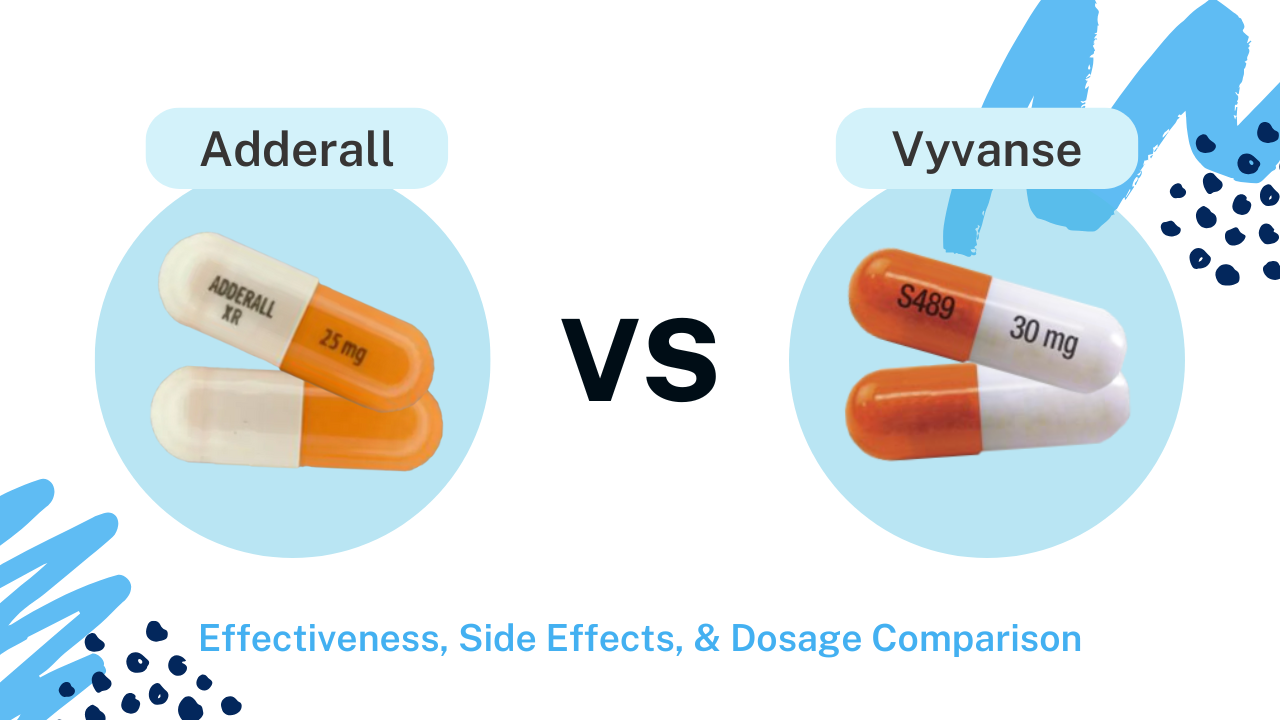
- Jornay PM vs. Amphetamines (Adderall, Vyvanse): Both are stimulants, but they belong to different families. Methylphenidate (Jornay PM) primarily blocks dopamine and norepinephrine reuptake, giving a smoother, subtler lift. Amphetamines (like Adderall or Vyvanse) not only block reuptake but also trigger more dopamine release. It can feel more energizing, but can also increase anxiety, restlessness, or appetite loss.
- Jornay PM vs. Non-Stimulants: Non-stimulants (like Strattera or guanfacine) build up gradually over days or weeks, and don’t have the same immediate “on” feeling. Jornay PM, as a stimulant, acts faster and more noticeably, but with that comes a higher risk of misuse or dependency.
How To Get a Jornay PM Prescription Online
With ADHD Advisor, you can get an online ADHD test, diagnosis, talk therapy, and potentially, medication like Jornay PM. We offer diagnoses, therapy, and non-stimulant prescription services nationwide.
However, only some states qualify for online stimulant prescriptions like Jornay PM, including Texas and Florida (check your state-specific page).
ADHD Advisor Treatment Process
We’ve made the process as simple as possible, all starting with one intake form:
- Fill out the online questionnaire with the “Get Started” button.
- Schedule your telehealth evaluation (same-day appointments are often available).
- Get your clinical treatment plan, which can include therapy and potentially, non-stimulant or stimulant medication.
- Prescriptions are only available at the discretion of your licensed clinician.
- Stimulants like Jornay PM can only be prescribed in select states for adults.
- Regularly meet with your clinician to monitor your symptoms and progress.
How Much Does Jornay PM Cost?
Jornay PM is only available as a brand name, meaning that it tends to cost more. The active ingredient itself, methylphenidate, is available in different generic forms (including the methylphenidate patch), but not with an overnight release. If you see online pharmacies offering a generic Jornay PM, it’s a sign you’re on a fraudulent site.
The cost depends entirely on your insurance plan, with some companies offering a copay of around $25 monthly. Without insurance, a 30-day supply could cost around $500, depending on the pharmacy.
With ADHD Advisor, you get a superbill that you can submit to your insurer for possible reimbursement (we don't bill insurance companies directly).
FAQs
Is Jornay PM FDA-approved for adults?
- Yes, it’s approved for people 6 and up, including adults.
Why take Jornay PM at night?
- Jornay PM has an overnight delayed-release system, making the medication release in the morning. The effects start to kick in about 12 hours after taking it.
Is Jornay PM addictive?
- Yes, like all stimulants, it’s a Schedule II controlled substance with a high risk of abuse, misuse, and dependence.
Can ADHD Advisor prescribe Jornay PM?
- Yes, but only in select states for adults over 18 (check your state-specific page to see if online stimulant prescriptions are available).
What are the main risks?
- Addiction, nausea, headaches, irritability, insomnia, psychiatric issues (anxiety, depression, mania, hallucinations, paranoia), and cardiovascular risks (irregular heartbeat, stroke, and sudden death).