.svg)


ADHD assessment?
- Vyvanse is available in doses from 10 mg to 70 mg, with most adults starting at 30 mg once daily, providers use a "start low and go slow" approach, increasing in 10, 20 mg increments over time to find the lowest effective dose with the fewest side effects.
- The right dose isn't one-size-fits-all: factors like metabolism, body weight, age, other medications, and coexisting health conditions all influence how Vyvanse works in your body, which is why close collaboration with a knowledgeable provider is essential.
- Knowing the signs of a dose that's too high (racing heartbeat, anxiety, emotional numbness, feeling overstimulated) or too low (persistent inattention, poor time management, symptoms wearing off before 10 hours) helps you give your provider the accurate feedback needed to dial in your dosage.
- Never adjust your Vyvanse dose on your own, skip doses to stockpile medication, or share it with anyone, Vyvanse is a controlled substance, and unsupervised changes can lead to serious health risks including cardiovascular complications and dependence.
- Keeping a symptom journal that tracks focus, mood, appetite, sleep, and side effects between appointments gives your provider the clearest picture of how your current dose is performing. Start My Screening
What Is Vyvanse and How Does Dosing Work?
Vyvanse is a prescription stimulant medication used to treat ADHD symptoms. Stimulants help manage symptoms related to focus, time management, impulse control, and attention by increasing levels of neurotransmitters in the brain that are involved in these functions.
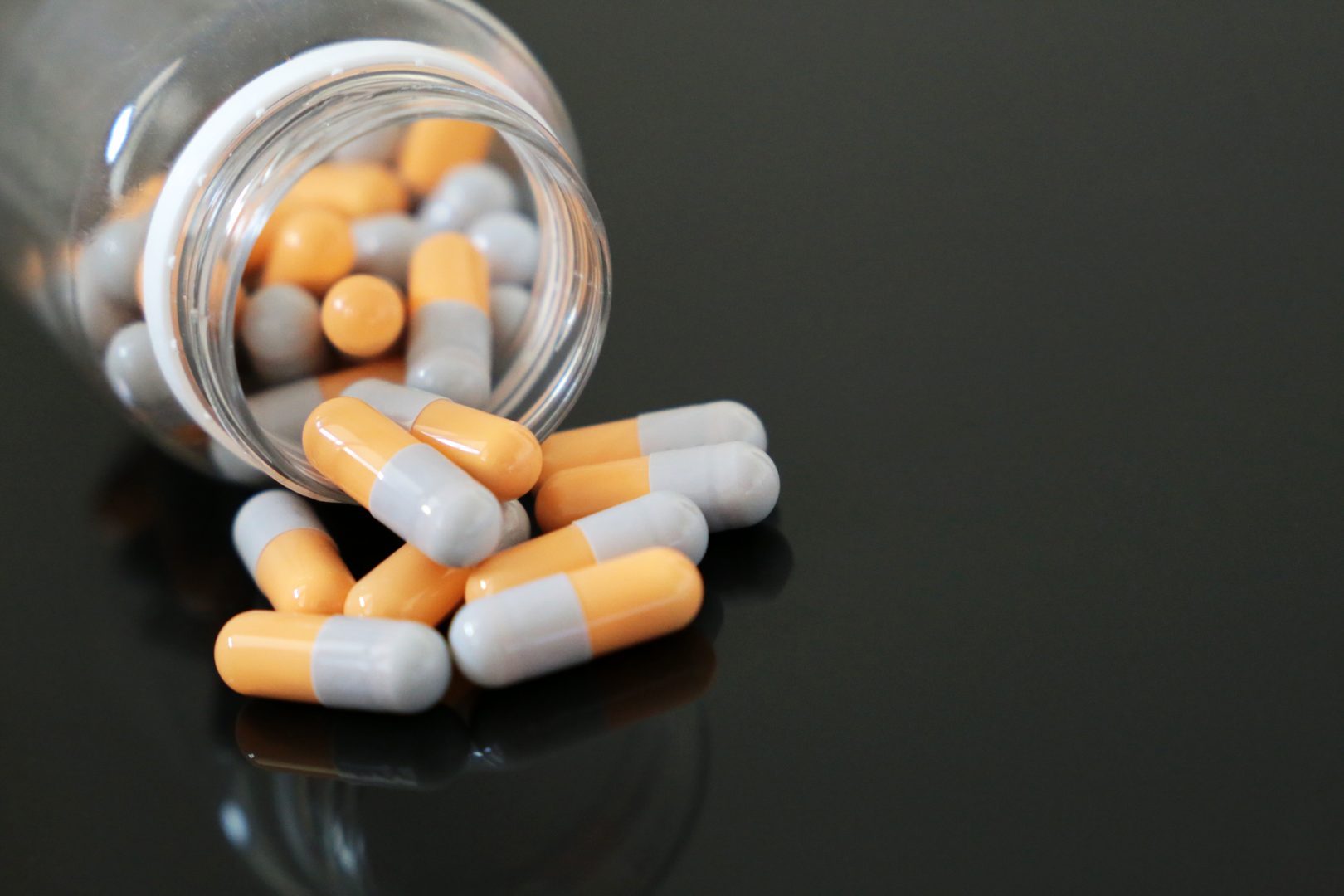
Vyvanse is available as a once-daily capsule, usually taken in the morning, providing all-day symptom relief. Vyvanse dosing is highly individual, which is why it is offered in doses ranging from 10 mg to 70 mg.
Finding the right Vyvanse dosage to manage your symptoms is a collaborative effort between you and your provider and is essential to your ADHD treatment. Let's look at the common Vyvanse dosage for adults and go over why it is important to find the best fit for your unique body.
Why Your Dose Matters More Than You Think
The right dose makes all the difference between effectively managing your symptoms and minimizing Vyvanse's side effects. If your Vyvanse dose is too low, it may not take care of all of your symptoms, and if it's too high, then it can be dangerous. The goal is to find that "sweet spot" that is just for you. A dose that provides the maximum benefits with the least troublesome side effects.
Starting Vyvanse: What to Expect with Your First Dose
The typical starting dose of Vyvanse is 30 mg once daily in the morning. 30 mg is a good starting point for most doctors to gauge how you will respond to the medication without being too high and uncomfortable, but not too low that you don't see any symptom improvements.
Providers use a steady "start low and go slow" approach to help you ease into the medicine and minimize unwanted side effects. Some people who are sensitive to medications may be started on a lower dose, like 20 mg. It's a good idea to let your provider know before starting Vyvanse if you are sensitive to any medications.
In the first few days or weeks, you may feel anxious, have extra energy for challenging tasks, and experience side effects as your body adjusts to the medication.
It can take a full week to see how you are responding, so don't give up if you don't notice many symptom improvements early on. Most initial side effects tend to improve after a few weeks once you become used to the medication every day.
How Long Before You Notice Results
Vyvanse typically starts to work in 1-2 hours after you swallow it. Vyvanse is a prodrug, and it metabolizes slowly into the body once you take it, instead of rapidly all at once like some stimulants. This process is thought to provide you with a slower, more gradual effect. Effects tend to build slowly and last 10-14 hours throughout the day.
While you may notice some effects quickly, it typically takes a few days to a few weeks to assess whether your dose is right, so be patient. Doctors want to wait at least a week before making any dose adjustments to see how your body will react to the medication. They want to find the optimal dose to manage your symptoms.
Common Vyvanse Doses and What They Mean
A typical Vyvanse dose range for adults is from 30mg to 70mg. While these are the most commonly prescribed doses, everyone is different, and specific needs vary from person to person. The maximum recommended dose is 70 mg per day. Let's take a closer look at the Vyvanse dosing schedule.
Lower Doses (30-40 mg)
Vyvanse 30 mg to 40 mg is considered a low dose. Many people find their optimal dose in this range. Those who might do well within this Vyvanse dose range include:
- People who are sensitive to medications
- People who have never taken stimulant medications before
- Older adults
- Individuals with other medical conditions
- Individuals with anxiety
Starting at the low end of the Vyvanse dose range gives your provider room to increase as needed for symptom improvement. Sometimes lower doses have fewer side effects, and that might be a reason to stay in this range as well.
Middle Range Doses (50-60 mg)
Vyvanse 50 mg to 60 mg is a common therapeutic range for many adults. When lower doses are ineffective, doctors may increase the dose to this range.
People with faster metabolisms or more moderate-to-severe symptoms tend to do well with a 50-60 mg Vyvanse dose. People who tolerate lower doses but still experience ADHD symptoms are typically bumped up to this range.
Side effects are manageable for most people in this dose range, especially if they didn't experience too many unwanted effects at lower doses.
It's important to talk to your healthcare provider about side effects. If your dose is too high, you may experience increased anxiety or restlessness and may need to lower it.
Higher Doses (70 mg)
Vyvanse 70 mg is the maximum recommended daily dose for adults. People with severe ADHD symptoms who tolerate lower doses but still have some unwanted symptoms may benefit from taking the highest Vyvanse dose. Not everyone will need or even benefit from taking Vyvanse 70 mg.
Higher doses don't always mean better, and your provider will help you find the Vyvanse dose that works best for you and your body chemistry. If you are ever given higher doses, doctors will monitor you more closely to ensure that the improvements in symptoms outweigh any side effects.
How Doctors Adjust Your Vyvanse Dose Over Time
Dosing adjustments are a normal part of the ADHD treatment process. No two people will have the same responses to medication or dosages, so it is a personal experience. Let's look at how to adjust Vyvanse dosage.
Providers will start you at a low dose, monitor your symptom improvement for a week or two, and then increase the dose as needed until they find the best fit for you. Vyvanse dosage increases usually occur in increments of 10 to 20 mg.
Doctors tend to work gradually so they can see how you respond, rather than making large dosage jumps. Jumping to too high a dose can cause unwanted side effects, which could deter you from continuing treatment, and they want to provide the best care possible. The ultimate goal of treatment is to find the lowest effective dose possible, which can only be achieved through gradual adjustments.
What Your Doctor Looks for During Follow-Up Visits
ADHD treatment consists of follow-up appointments where doctors check your symptom improvements and make dosage adjustments as needed. They will assess how well you are improving in areas concerning focus, task completion, organization, and impulse control. They will also want to see what type of side effects you are having and how they are affecting your day-to-day life.
Providers will ask you for honest feedback about how you are feeling and functioning on your new medication. Blood pressure and heart rate are continually monitored because Vyvanse can increase them, especially if the dose is too high. They may also monitor your weight changes, especially in the beginning, as appetite suppression can be a side effect of Vyvanse.
How to Track Whether Your Dose Is Working
Because your provider will ask about your symptom improvement, it's a good idea to keep a symptom journal to gauge how well your Vyvanse dose is working. Track your symptoms, improvements, and side effects. Also, note your work, relationships, and any changes in your daily life.
You will also want to monitor changes in your appetite, sleep, and mood. All of this information is useful in determining whether to keep you on your current Vyvanse dose or try a higher dose.
If you have friends or family willing to write down their insights and observations about your ADHD treatment, that can also be beneficial.
Signs Your Vyvanse Dose Might Be Too High
It's important to recognize when your Vyvanse dose is too high. Recognizing these signs will help you communicate effectively with your doctor about what you are experiencing. These symptoms do not mean that Vyvanse is not a good fit for you; rather, they suggest that your Vyvanse dose may need adjustment.
Physical Signs to Watch For
There are some physical warning signs that your Vyvanse dose may be too high. Look out for the following symptoms:
- Nausea
- Severe loss of appetite, especially if it is causing you to lose weight
- Racing or irregular heartbeat
- High blood pressure
- Dizziness or feeling lightheaded
- Chest pain
- Headaches
- Increased insomnia
- Increased dry mouth
- Excessive sweating
- Tremors or muscle spasms
- Restlessness (feeling overstimulated)
If side effects from Vyvanse become disruptive or severe, consult your provider about possibly lowering your dose.
Mental and Emotional Signs
Some mental or emotional signs that your Vyvanse dose is too high include:
- Feeling overly "wired" or nervous
- Irritability or mood swings that are not normal for you
- Overly focused to the point that you are not able to shift attention to something else
- Racing thoughts or overthinking
- Overly anxious or paranoid
- Feeling emotionally flat or numb
- Feeling disconnected from your friends and family
Signs Your Vyvanse Dose Might Be Too Low
When your Vyvanse dose is too low, you will not experience the full benefits of ADHD treatment. You may still have symptoms controlling your life, so it's just as important to ensure your Vyvanse dose isn't too low. Let's go over some practical ways to determine whether your Vyvanse dose is too low.
ADHD Symptoms That Persist
Your Vyvanse dose may be too low if you are still experiencing ADHD symptoms. If you still feel like you can't:
- Stay on task or focus
- Follow through with your work or chores
- Manage your impulsivity
- Manage your time well
- Keep organized
- Keep up with household chores
- Forgetting important information that your friends and family told you
If your time management and organizational skills have improved, but other symptoms haven't, Vyvanse may be working for some issues. You might need a higher dose for better management.
Timing Issues with Symptom Control
Another sign that your Vyvanse dosage is not high enough is that you are having timing problems with your symptom management. If your medication wears off too early in the day, your symptoms may return by the afternoon.
Vyvanse is supposed to provide relief for at least 10 hours, so if you are not seeing symptom improvement for at least 10 hours, you may need a higher dose. It could also mean that you need to adjust the time that you take the medication, too.
Special Considerations That Affect Vyvanse Dosing
Several factors can influence which Vyvanse dosage is right for you. All of these factors can determine how medication works inside the body, which is why it is imperative to work with a knowledgeable ADHD doctor.
Body Weight and Metabolism
Your weight and metabolism play a role in the Vyvanse dosage that works best for you. While weight is not a deciding factor, it can affect how quickly the medication is absorbed. Your metabolism plays a key role, too.
If you have a faster metabolism, the medication is processed more quickly, which may mean you need a higher dose to manage symptoms, but not always. Some people metabolize medication faster than others, and your doctor will consider these individual factors when determining your Vyvanse dosage.
Other Medications and Health Conditions
Certain medications can interact with Vyvanse and affect dosing. It's so important to tell your provider about any medications or over-the-counter supplements that you take so they can consider all possible interactions.
Certain health conditions, such as kidney problems, may require lower doses because of how the medicine is absorbed. High blood pressure and heart conditions will require strict monitoring to ensure safety. You should inform your doctor about any preexisting health conditions so they can evaluate your health before prescribing stimulants like Vyvanse.
Age-Related Considerations
As you age, your metabolism slows, so you may become more sensitive to stimulant medications and need lower doses. Starting doses may be lower for older adults than for younger adults. Some age-related health conditions are also considered in the dosing decision. Vyvanse is safely used across all age ranges with proper monitoring.
What You Should Never Do with Your Vyvanse Dose
Let's go over some safety concerns with Vyvanse dosages and how to stay safe.
Don't Adjust Your Dose Without Talking to Your Doctor
Do not adjust your Vyvanse dosage on your own. Increasing your Vyvanse dose is dangerous. Serious risks can come from taking too much Vyvanse, including:
- Heart-related complications
- Drug dependence
- Agitation
- Confusion
- Panic
- Hallucinations
- Shaking
- Nasuea
- Other overdose symptoms
Taking less is not as dangerous as taking too much, but it can stunt your progress in ADHD treatment. Doctors need accurate information based on your prescribed dose to make informed decisions about Vyvanse dosing. If you think you need more or less, speak with them right away and let them adjust your dosage.
Don't Share Your Medication or Take Someone Else's
Vyvanse is a controlled substance due to its potential for abuse and dependence, and it is against the law to share it with anyone else. It's important to remember that the dose or medication that works for you may not be suitable for someone else, even if they are prescribed ADHD medication.
It is not only against the law to share controlled substances, but it is also dangerous.
Don't Skip Doses to "Save" Medication or Take Extra on Busy Days
You also don't want to skip doses so that you can save more medication for busier days. Inconsistent dosing doesn't help you assess your treatment; in fact, it can be counterproductive.
For medication to work well, you need to take it at the same time and dose each day. If you take your medicine incorrectly, it can lead to a cycle of ups and downs and even mood changes. If you think you need different symptom coverage on different days, let your provider know in advance, and they can come up with a dosing schedule that works well for you.
Working with Your Doctor to Find Your Optimal Dose
You and your healthcare provider can work together as a team to create the optimal Vyvanse dosing schedule for your unique needs. Open communication leads to the best results. How can your doctor know if you don't discuss your concerns with them?
Questions to Ask at Your Appointments
Here are some questions about Vyvanse dosing that you can ask your provider.
- How will I know if this dose is working?
- What side effects should I expect to see?
- When should I expect to see a difference in my symptoms?
- How long will we continue this dose before deciding to adjust?
- What should I do if side effects occur?
- What is your experience level with prescribing Vyvanse for ADHD in adults?
- If my symptoms are not improving, do I need to switch medications, or are we going to try a higher dose?
- How do I know if my vyvanse dose is too high or if it's just a side effect?
Jot down any other questions that you may have about your Vyvanse dosing so that when you meet with your provider, you can discuss them easily.
How to Describe Your Experience Accurately
Your provider needs to know exactly how the medication is affecting you, including your symptoms and side effects, so they can adjust it accordingly. To give them a good picture, you should consider writing down your symptom improvements and side effects in a journal. Then you will have something to reference at your appointment that gives them accurate information to work with.
It's important to mention both the positive effects and any concerns that may arise between appointments. Being honest about your side effects and symptom improvements, or lack thereof, is the best way to allow your doctor to help you find the best dose.
Getting Started with Vyvanse Through ADHD Advisor
ADHD Advisor offers same-day online appointments from the convenience of your own home. Our process is discreet and simple. We provide online ADHD screening and video-conference appointments with a licensed clinician who specializes in ADHD treatment and medications, including Vyvanse. Our personalized treatment plans may include therapy, medication, and coaching tailored specifically for you.
We can provide a Vyvanse prescription online if necessary.
Ongoing medication management and dosing adjustments are included in our treatment plans.
Each month, you will receive a follow-up appointment to discuss your medication and dosage, helping you find the optimal Vyvanse dose for you. Our online platform makes it really easy and simple to communicate with your provider about how your medication is working or not working in between sessions.
Our entire process is completely confidential, and there's no obligation to continue treatment. Take our short screening test now to see if you qualify for a same-day telehealth evaluation and treatment.
Frequently Asked Questions
What is the starting dosage of Vyvanse for ADHD?
A typical Vyvanse dosage chart lists 30 mg as the most common starting dose for adults, though many factors can affect dosing, and your starting dose may differ.
What is the maximum dosage of Vyvanse per day?
The maximum Vyvanse dose is 70 mg per day.
What are the available Vyvanse dosage strengths?
Vyvanse is available as capsules in strengths of 10 mg, 20 mg, 30 mg, 40 mg, 50 mg, 60 mg, and 70 mg.
What is the recommended Vyvanse dosage for adults with ADHD?
The recommended Vyvanse dosage for adults is between 30 mg and 70 mg once daily.