.svg)



ADHD assessment?
- Switching ADHD medications is common, research shows 41% of first-time patients don't stay on their initial prescription, and alternatives to Adderall range from other stimulants like Vyvanse, Ritalin, and Concerta to non-stimulant options like Strattera, Intuniv, and Wellbutrin (off-label).
- Non-stimulant medications work differently than stimulants and take several weeks to reach full effect, but they offer 24-hour symptom coverage and are especially worth considering for people with substance use concerns, stimulant intolerance, or co-occurring anxiety.
- Lifestyle strategies, including regular exercise, consistent sleep routines, and a nutrient-rich diet with adequate zinc, iron, and omega-3s, can meaningfully support ADHD symptom management, though they complement rather than replace clinical treatment.
- Cognitive behavioral therapy builds practical skills like time management, organization, and emotional regulation that medication alone cannot provide, making a combined treatment approach more effective for most people with ADHD.
- Transitioning off Adderall requires careful planning with a provider, as dosages are adjusted gradually and full symptom coverage may not be immediate during the switch. Start My Screening
Why People Look for Alternatives to Adderall
Switching ADHD medications is a normal part of the treatment process. A study from 2021 found that 41% of people with ADHD who had never been treated with medication did not remain on their initial prescription and had to switch to a different one.
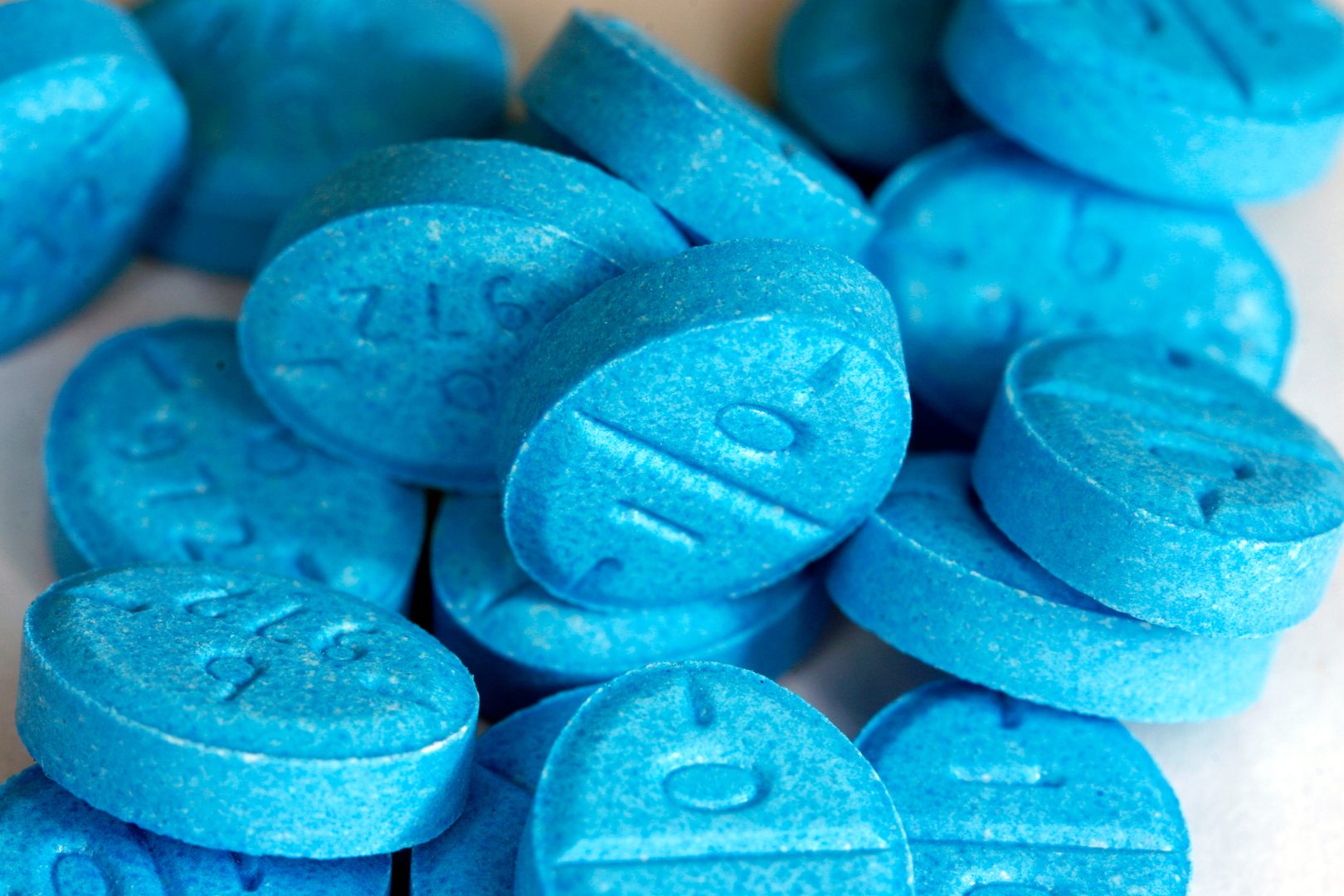
While Adderall (mixed amphetamine salts) is effective for some, it will not be the best medication for everyone, which is why there are so many FDA-approved treatment options now available. People switch ADHD medications for various reasons, including side effects, sleep issues, dependency concerns, insurance coverage issues, medication shortages, and higher healthcare costs.
If you are exploring Adderall alternatives, you must do so with the care of a healthcare professional. Finding the best medication fit often requires some trial and error, and clinicians are trained to help you navigate your options.
Let's go over different Adderall alternatives available and look at some natural ADHD treatments that can help you with your ADHD symptoms.
Other Prescription Stimulant Medications
Adderall is certainly not the only medication for ADHD. Many FDA-approved stimulant medications work well for people with ADHD and may be more tolerated by some people.
Stimulant medications work on the same brain neurotransmitters but in different ways and with different formulations. Let's take a look at the other types of stimulants used to manage ADHD symptoms.
Methylphenidate-Based Medications (Ritalin, Concerta)
Methylphenidate and Adderall are both stimulant medications, but they belong to different classes.
Methlyphenidate is a stimulant medication for ADHD, but it is different from amphetamine-based drugs and works differently in the body. Some people who do not respond well to Adderall do better on a methylphenidate-based drug like Ritalin or Concerta. Methylphenidate-based drugs are available in both short-acting and long-acting formulations.
Ritalin is an immediate-release medication that is usually taken two to three times per day. There is a long-acting Ritalin designed to last all day. Learn more about Ritalin vs Adderall.
Concerta is another once-a-day solution with an extended-release methylphenidate formula designed to manage symptoms for up to 12 hours. Learn more about Concerta vs Adderall.
A provider may decide to switch you from Adderall to a methylphenidate-based medication if you are having unwanted side effects or not responding well to it.
Vyvanse (Lisdexamfetamine)
Vyvanse (lisdexamfetamine) works differently from other stimulant medications and is a common Adderall substitute. Vyvanse is in the amphetamine class. It is a pro-drug, meaning the body converts lisdexamfetamine into dextroamphetamine through metabolism.
Because of the delayed mechanism, Vyvanse is considered a long-acting stimulant with a more gradual onset, sometimes providing a smoother effect and possibly fewer side effects for some. Vyvanse may be less likely to be abused because of the way it works. Many users choose Vyvanse for once-daily symptom relief. When you compare Vyvanse vs Adderall, they are very similar medications in the amphetamine class.
Other Stimulant Options
Other stimulant drugs that are Adderall alternatives are Dexedrine and Adzenys. Dexedrine contains dextroamphetamine only, whereas Adderall is a combination of amphetamine salts that includes dextroamphetamine. Some people feel that Dexedrine offers a smoother onset of effects. Learn more about Dexedrine vs Adderall.
Adzenys, another Adderall alternative, contains the same active ingredient as Adderall but is available in a liquid or an extended-release dissolvable tablet offering a different method of ingestion for those who have trouble swallowing pills. Learn more about Adzenys vs Adderall.
Be sure to work directly with a healthcare provider to find the best ADHD treatment for you.
Non-Stimulant Prescription Medications
Are you searching for ADHD treatment without stimulants? Non-stimulant ADHD medications are for individuals with substance use disorders, concerns about abuse, or those who cannot tolerate stimulants.
These medications work differently in the brain and are slower to show results, but they are FDA-approved to treat ADHD and do provide relief from symptoms, often after several weeks.
Non-stimulant ADHD medications also provide 24-hour relief, unlike stimulants, which can last between 4 and 12 hours, depending on the dose and formula. Many people with ADHD do well on non-stimulant medications. Let's go over common non-stimulant Adderall alternatives.
Strattera (Atomoxetine)
Straterra was actually the first non-stimulant medication FDA-approved to treat ADHD. Strattera (atomoxetine) is a selective norepinephrine reuptake inhibitor that increases norepinephrine and dopamine levels in the prefrontal cortex. The prefrontal cortex is the area in the brain where your attention and impulse control functions take place. By increasing the availability of these neurotransmitters, many individuals report improved attention and concentration, as well as reduced fidgeting and restlessness.
Strattera takes about 4-6 weeks before you will start to notice its full effectiveness and symptom reduction. It can also help people who have anxiety. Because Strattera is not a controlled substance, it may be a preferred treatment for people with substance use disorder. Some common side effects include: stomach upset, fatigue, dry mouth, and decreased appetite.
Intuniv and Kapvay (Guanfacine and Clonidine)
Intuniv (guanfacine) and Kapvay (clonidine) are alpha-2 adrenergic agonists used to treat symptoms of ADHD. They were both first created as blood pressure medications, but have become FDA-approved to treat ADHD.
Stimulating the alpha-2 receptors in the brain helps to reduce the release of norepinephrine, mainly in the prefrontal cortex. Intuniv and Kapvay help to improve focus and attention and reduce impulsivity. Both medications can be used with stimulants or as standalone treatments for ADHD.
They are also known to help people with anxiety and ADHD, as they help to regulate the "fight-or-flight" mechanism.
Intuniv is an extended-release form of guanfacine that provides all-day symptom coverage. Kapvay is an extended-release form of clonidine that provides all-day coverage. Common side effects associated with alpha-2 agonists include: drowsiness, low blood pressure, headache, and dry mouth.
Wellbutrin (Bupropion)
Wellbutrin (bupropion) is an antidepressant that is sometimes used "off-label" for treating ADHD. "Off-label" simply means that it is not FDA-approved to treat ADHD; however, many doctors find it effective for treating ADHD symptoms.
Wellbutrin is a norepinephrine-dopamine reuptake inhibitor (NDRI), which helps to increase the levels of these neurotransmitters that are associated with ADHD symptoms. Therefore, it helps to increase focus, attention, and motivation in individuals with ADHD.
As an effective alternative to Adderall, Wellbutrin is a possible non-stimulant ADHD medication option and is especially helpful for people with ADHD and co-occurring depression. Off-label use is common, especially when people are looking for non-stimulant options.
Wellbutrin may take a few weeks to start seeing symptom relief. Typical side effects of Wellbutrin include: dry mouth, nausea, and difficulty sleeping. Learn more about Wellbutrin vs Adderall.
Natural Adderall Alternatives
Medication can be very effective for managing ADHD symptoms, but it often works best when combined with therapy and lifestyle changes. Many lifestyle changes can help to support ADHD symptoms through various ways that include taking proper care of the physical body and your mental health. Some ADHD supplements have been shown to help with symptoms, too.
It's important to note that these strategies do not replace actual treatment but complement it. Let's go over some important changes you can make today to help support your ADHD symptoms.
Exercise and Physical Activity
Exercise and physical activity are good for your body, but did you know that they are also good for managing symptoms of ADHD? Studies indicate that exercise helps naturally release dopamine and norepinephrine. Just 20 minutes of moving your body or doing physical exercise can help to reduce symptoms of hyperactivity, improve focus, and regulate your mood.
You don't have to go to the gym and do an hour workout to reap the benefits, either. Find some fun activities you enjoy, such as walking, running, yoga, or playing football.
It's important to note that exercise benefits are temporary, and you will need a routine or structure to maximize them.
Sleep Hygiene and Routine
Studies show that ADHD and sleep problems go hand-in-hand. About 80% of people with ADHD also have insomnia or sleep-related disturbances.
Poor sleep actually worsens symptoms of ADHD, like impulsivity, emotional regulation, and being able to pay and hold attention. Some ADHD medications can actually affect sleep quality, too, so you can always work to take your doses earlier in the day if that is an issue for you.
Developing a good sleep routine helps to lay the foundation for your ADHD treatment. With a good night's sleep, you can help to minimize some of your symptoms. To improve your sleep, you can limit screen time and processed foods before bed, create a clean, calm sleep environment, and stick to a consistent sleep schedule even on weekends.
Nutrition and Diet
There is no specific diet that can cure ADHD, but many important minerals and other nutrients from nutritional foods can help manage symptoms. Foods high in zinc, iron, omega-3 fatty acids, and probiotics have all been shown to help manage symptoms in people with ADHD.
If you can’t get all of these nutrients and minerals from foods directly, you can try to purchase supplements as an over-the-counter ADHD medication.
Many people also benefit from reducing processed foods and foods high in sugar and artificial additives. Eating regularly also helps to maintain energy and focus. Just as with sleep, people with ADHD need to eat routine meals.
Recently, a "few foods diet" has also been shown to help manage ADHD symptoms, reducing food coloring or other hypersensitivities that are present in people with ADHD. Restrictive diets without professional guidance are not advised, so be sure to speak with your provider to determine what's best before making any major changes to your diet, especially while on medication.
Cognitive Behavioral Therapy and Skills Training
Therapy, especially cognitive behavioral therapy, can play a very important role in the management of ADHD symptoms. Therapy helps to teach practical skills for managing ADHD symptoms. Skills such as time management, organization, and emotional regulation often improve once therapy begins.
Therapy works well with medication because medication alone can't teach these necessary skills needed to manage day-to-day life. Therapy is also designed to teach adults healthier coping mechanisms, such as mindfulness and journaling, and to replace old coping mechanisms that are not serving them.
Combining Treatments: Why a Multi-Faceted Approach Often Works Best
ADHD is a complex condition, so it typically responds best to multiple interventions. Medication, therapy, lifestyle changes, and nutrition can work together to produce the best results.
What works best for one person may not work for someone else, which is why a tailored treatment plan usually works best. It's so important that you work with a provider to coordinate treatments safely, for the best results.
Sometimes, this multi-faceted approach even allows for lower medication doses. So if you are having an issue or side effect, maybe taking a lower dose can help, especially if you are looking for an alternative to Adderall.
Working With Your Healthcare Provider to Find the Right Alternative
When looking for Adderall alternatives, you always want to be open with your provider and tell them that you want to try a different medication. Describe to them what is going on, whether it's side effects or any other concern, and they can work with you to find the best alternative treatment. Typically, finding the best treatment takes a little bit of trial and error, and healthcare providers know how to navigate medication changes properly.
At ADHD Advisor, our licensed clinicians can help evaluate your options and create personalized treatment plans specifically for your unique lifestyle.
Questions to Ask Your Provider
When you speak with your provider about Adderall alternatives, there are some questions you should ask to learn more about your options. Let's go over some suggested questions you could ask about alternatives. These include:
- What is the primary difference between this medication and Adderall?
- How long will it take before I see any symptom improvements?
- What side effects should I watch for?
- Can I take this Adderall alternative with any other treatment methods that I am considering?
- What if this alternative doesn't work for me either?
- What non-stimulant ADHD medication alternatives to Adderall could we consider?
- How do I transition to a new medication, and how do we know what dosage is equivalent to my current Adderall dosage?
- How do the side effects of this medication compare to those of Adderall?
- Is there a "smoother" alternative to Adderall that lasts all day or only requires one daily dose?
These questions ought to get you started, but before you meet with your provider to discuss Adderall alternatives, jot down any other questions you might have and bring them to your appointment for reference.
What to Expect When Switching ADHD Medications
Switching ADHD medication will require planning and monitoring until your doctor determines that the dosage and frequency are working well. Your provider will either switch you directly over to a different stimulant at an equivalent dose or gradually taper you off of your current medication, like Adderall, and gradually increase the new one, especially if you are moving between different stimulant classes.
Your new medication will be titrated slowly over a few weeks until you notice symptom improvement with minimal side effects. It's important to mention that during this careful transition period, you may not have full symptom coverage until the optimal dosage of the new medication is established.
Finding the right medication for ADHD is usually a process, so these types of adjustments are normal. Rest assured, your provider wants you to feel your best, so they will work with you to achieve that goal.
Get Expert Guidance on ADHD Treatment Alternatives
There are many effective Adderall alternatives out there that work well for ADHD. If Adderall is not suiting you well, your provider can help you find one that does. What works best will depend on your unique symptoms, health history, and other treatment goals.
That is why our licensed clinicians provide comprehensive evaluations and personalized treatment plans. At ADHD Advisor, we will help you find an Adderall alternative that best fits your needs, with follow-up appointments to ensure your medication and dosage are effective.
We offer convenient same-day virtual appointments so you can get started right away and see if you qualify for an online ADHD prescription. Start your free screening test now and connect with one of our providers who can help you find an ADHD treatment that works best for you and your lifestyle.
Frequently Asked Questions
What are the best alternatives to Adderall for ADHD?
The main alternatives to Adderall for ADHD include other stimulants like Ritalin and Vyvanse, and non-stimulant medications like Qelbree, Strattera, and Kapvay.
What is the closest prescription medication to Adderall?
Mydayis contains the same active ingredients as Adderall, though with an advanced extended-release technology. Also, Vyvanse is an amphetamine-based stimulant with a longer duration, as it is a pro-drug and the medication metabolizes slowly in the body. Other amphetamine-based drugs include:
What's the difference between Vyvanse and Adderall?
Vyvanse is a pro-drug formula, which means that it converts to the active ingredient dextroamphetamine after it is absorbed, leading to a longer-lasting, smoother onset of effects. Adderall is a mixed-salts amphetamine-based medication available in both immediate and extended release formulas that starts working in the body at around 30 minutes after ingestion.
What are non-stimulant alternatives to Adderall for ADHD?
Some non-stimulant alternatives to Adderall for ADHD include:
- Strattera
- Qelbree
- Kapvay
- Intuniv
- Wellbutrin (off-label)
What are the best Adderall alternatives for adults with anxiety?
Adderall alternatives for adults with anxiety include non-stimulant options like Kapvay and Strattera, and the antidepressant Wellbutrin (off-label). To learn more, read our full guide on the best ADHD medications for adults with anxiety.
Are there Adderall alternatives that don't cause a crash?
Adderall alternatives that don't typically cause a crash include other stimulants, such as Vyvanse, Mydayis, and Concerta, as well as non-stimulant options.